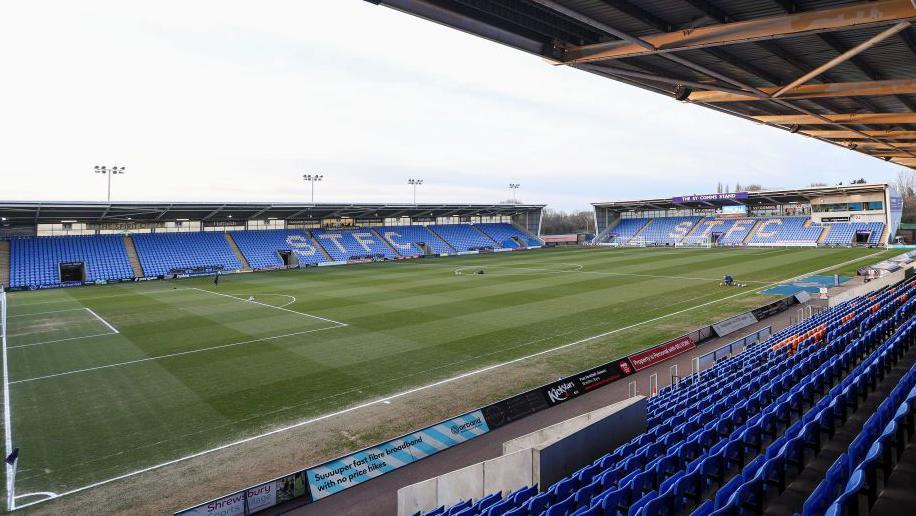
Shrewsbury Town Takeover: Potential Buyers and What It Means for the Shrews
The world of football is constantly abuzz with rumors and speculation, and few topics ignite passion and debate quite like the prospect of a club takeover. For fans of Shrewsbury Town, the mere mention of a potential Shrewsbury Town takeover can spark a whirlwind of emotions – from cautious optimism about new investment to anxiety over losing the club's identity. While specific details surrounding active bids remain elusive, understanding the landscape of football club ownership, the types of buyers attracted, and the potential implications is crucial for every Salop supporter.
A club's performance on the pitch often dictates its visibility and attractiveness to potential investors. A surge in form, a strong cup run, or even just consistent stability in a competitive league can reignite interest from parties looking to enter the football business. As Shrewsbury Town navigates its campaigns, the underlying financial health and future potential are always being scrutinised by those with an eye for opportunity. Discussions around a Shrewsbury Town's Surge Reignites Takeover Interest: The CEO View often precede more formal approaches, highlighting how on-field success and off-field speculation are intrinsically linked.
Who are the Potential Buyers for a Club Like Shrewsbury Town?
When talk of a Shrewsbury Town takeover surfaces, the immediate question on everyone's mind is: "Who?" The pool of potential buyers for a League One club like Shrewsbury Town can be diverse, each bringing different motivations and resources to the table. Generally, these groups fall into a few categories:
- Local Consortia: Often driven by genuine passion for the club and community, these groups comprise local business people or high-net-worth individuals who want to see their hometown team succeed. They typically understand the club's heritage and the importance of its community roots, making them popular choices among fans. Their challenge can sometimes be matching the financial muscle of larger, external investors.
- High-Net-Worth Individuals (HNWIs) or Families: These buyers, whether domestic or international, might see a football club as a passion project, a strategic investment, or even a vehicle for prestige. Their motivations can vary wildly, from a genuine desire to build a successful sporting enterprise to less altruistic aims. For Shrewsbury Town, an HNWI could bring significant capital for infrastructure improvements, squad investment, and professionalisation.
- Sports Investment Groups/Funds: Increasingly, dedicated sports investment firms are entering the football market. These groups view clubs as assets within a portfolio, aiming to increase their value through improved performance, commercial growth, and smart management. They often bring a more corporate, data-driven approach, which can be both a strength (efficiency, strategic planning) and a potential weakness (perceived lack of emotional connection to the club).
- Overseas Investors: With the global appeal of English football, investors from various countries are always looking for opportunities. They might be attracted by the relatively lower entry price point of League One clubs compared to the Premier League, coupled with the potential for promotion and increased media revenues. The challenge here often lies in cultural understanding and bridging the geographical distance.
Each type of buyer presents a unique set of pros and cons. For Shrewsbury Town, the ideal buyer would likely combine financial stability with a deep respect for the club's history and its vital role within the community. The search for a new owner is rarely straightforward, involving complex negotiations and extensive due diligence.
What a Shrewsbury Town Takeover Could Mean: Opportunities and Challenges
The implications of a Shrewsbury Town takeover are far-reaching, touching every facet of the club, from the boardroom to the terraces. While the specifics depend entirely on the new ownership's vision and resources, several key areas are almost always affected:
Financial Stability and Investment
The most immediate and often desired outcome of a takeover is enhanced financial stability and an injection of capital. This could manifest in:
- Squad Investment: New owners might be willing to invest more heavily in transfer fees and player wages, allowing the club to compete for higher-calibre talent and strengthen its promotion ambitions.
- Infrastructure Development: Improvements to the stadium, training facilities, and youth academy are common priorities. This could include upgrading supporter amenities, expanding corporate hospitality, or enhancing the training ground to attract and develop better players.
- Debt Reduction: A takeover can provide an opportunity to clear existing debts, freeing up operational budgets and improving the club's financial health.
- Commercial Growth: New owners often bring expertise and connections to boost commercial revenues through sponsorships, merchandise, and new business ventures, diversifying income streams beyond gate receipts and TV money.
However, it's crucial that any new investment is sustainable and aligns with the club's long-term vision. Overspending without a clear strategy can lead to financial peril down the line.
Club Vision, Management, and Strategy
A change of ownership almost inevitably leads to shifts in the club's strategic direction. New owners will typically bring their own ideas about how the club should be run, which might include:
- Changes in Leadership: The CEO, Sporting Director, and even the managerial position might be reviewed or replaced to align with the new owners' philosophy.
- Long-Term Ambitions: Owners might set ambitious targets, such as sustained promotion pushes, academy development, or increased community engagement.
- Operational Efficiency: They might introduce new business practices to streamline operations, enhance analytics, or improve fan engagement strategies.
This can be a period of significant change and uncertainty, but also one of potential rejuvenation and fresh perspectives. For more insights on this, one might look at broader discussions around Shrewsbury Town Takeover: Analyzing the Surge and Future Prospects to understand how different ownership models impact a club's trajectory.
Impact on Fans and Community
For many supporters, a football club is more than just a business; it's a vital part of their identity and community. A takeover can have a profound impact on the fan experience:
- Communication and Transparency: Fans often seek clear and honest communication from prospective and new owners about their plans and vision. A lack of transparency can breed distrust and resentment.
- Ticket Pricing and Matchday Experience: New owners might review pricing structures, food and beverage options, and overall matchday entertainment. These changes can be positive or negative depending on the owner's priorities.
- Club Identity and Heritage: A responsible owner will respect and preserve the club's history, colours, crest, and traditions. Changes to these core elements can be deeply unsettling for fans.
- Community Involvement: Shrewsbury Town has strong ties to its local community. New owners should ideally continue and enhance this engagement, understanding the club's role beyond the pitch.
Practical Tip for Fans: During periods of takeover speculation, stay informed through reputable sources, engage respectfully in fan forums, and consider joining fan trusts if available. These bodies often play a crucial role in advocating for supporters' interests during ownership transitions.
The Due Diligence Process: What Happens Behind the Scenes
A Shrewsbury Town takeover is far from a simple handshake agreement. It's a highly complex process involving extensive due diligence, legal negotiations, and regulatory approvals. Potential buyers will scrutinise every aspect of the club, including:
- Financial Records: Comprehensive review of balance sheets, profit and loss statements, revenue streams, and liabilities.
- Legal Obligations: Examination of contracts with players, staff, sponsors, and suppliers, as well as property leases (e.g., stadium, training ground).
- Asset Valuation: Assessing the value of the playing squad, brand, intellectual property, and physical assets.
- Operational Structure: Understanding the club's day-to-day operations, staffing, and existing management.
- Regulatory Compliance: Ensuring the club adheres to Football League rules, FA regulations, and general business laws.
This thorough investigation ensures that the buyer fully understands what they are acquiring, including any hidden risks or liabilities. Similarly, the selling party will evaluate potential buyers based on their financial capacity, strategic vision, and commitment to the club's future. The process can take months, often shrouded in confidentiality until a definitive agreement is reached.
Conclusion: The Future of Shrewsbury Town
The prospect of a Shrewsbury Town takeover, while speculative, is a topic that resonates deeply with supporters. It represents both hope for a brighter, more ambitious future and a natural apprehension about change. Any potential new ownership must not only bring financial acumen and strategic vision but also a profound respect for the club's heritage, its loyal fanbase, and its integral place within the Shrewsbury community. As the football landscape continues to evolve, the right owner can propel Shrewsbury Town to new heights, ensuring its sustainability and success for generations to come.